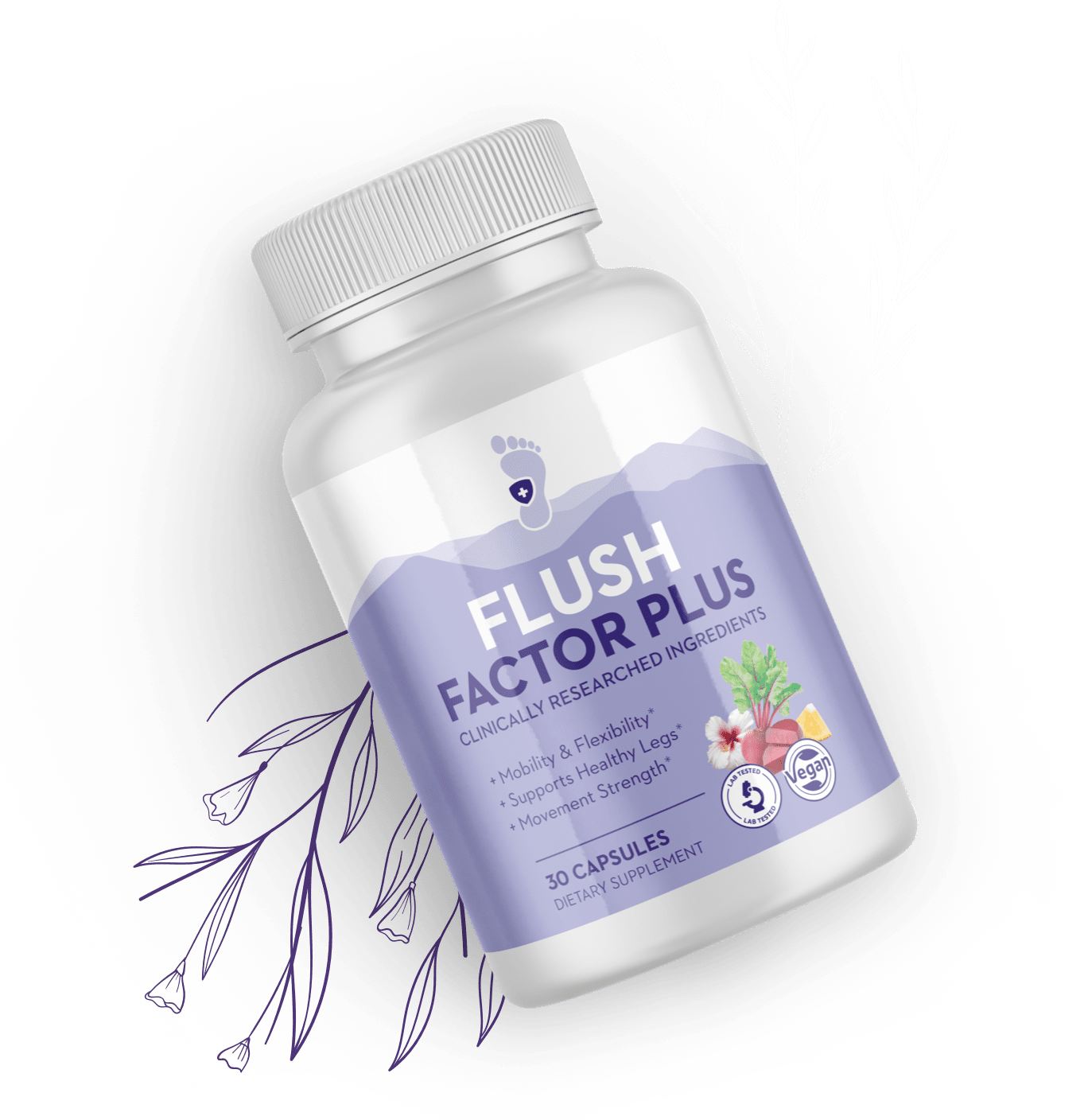
Flush Factor Plus dietary supplement bottle labeled 30 capsules

Flush Factor Plus Ingredients and Blend Guide

Read the formula with a clearer understanding of names, amounts, and evidence.

Flush Factor Plus is a capsule dietary supplement formula with six featured ingredients in a 500 mg proprietary blend. The displayed panel identifies one capsule as a serving and lists 30 servings per bottle. Those numbers are a useful starting point, but they answer different questions from a claim about circulation or fluid balance.

This guide explains how to read the blend, recognize the named preparations, and avoid assuming that an ingredient study proves a result from the finished capsule. You can compare the available information more accurately and bring specific questions to a pharmacist or clinician when personal suitability matters.

Separate the Serving From the Blend Amount

One capsule is the displayed serving size. The 500 mg figure belongs to the combined proprietary blend per serving, not to each ingredient separately. Thirty servings describe the bottle’s supply when used at one capsule daily. They do not establish a minimum course or a deadline for a result.

Keep those units distinct when comparing formulas. Do not multiply the blend amount by six, assume equal shares, or turn the bottle count into a dose. A precise reading of the panel is more useful than an impressive-looking number that has been interpreted incorrectly. Your current bottle remains the relevant source for the supplied serving.

Understand Pineapple Powder Without Inventing Enzyme Activity

The panel names pineapple fruit powder, Ananas comosus. Pineapple is associated with bromelain, a group of enzymes, but the words pineapple powder do not identify a standardized enzyme preparation. They do not tell you the bromelain activity supplied by a capsule.

This distinction matters when reading research involving measured bromelain preparations. A study of an enzyme at a stated activity cannot be treated as a direct test of an unspecified fruit-powder amount. Read the ingredient name as it appears, and do not add a clinical dose or therapeutic effect that the label does not disclose.

Recognize Asparagus Racemosus and Black Cumin

Asparagus racemosus extract is also known as shatavari; the displayed panel identifies the root. Black cumin seed extract is listed as Nigella sativa. Botanical names help distinguish materials that may share a familiar common name but differ in identity or preparation.

Plant part, extraction method, standardization, and dose can all matter when comparing research. A root extract is not automatically equivalent to a food serving or a different plant part. Similarly, a black-cumin extract should not be assumed to match every black-seed oil. Familiarity with a name is a starting point for understanding, not proof of an interchangeable formula.

Understand the Formula Before Choosing a Supply

Flush Factor Plus provides 30 capsules per bottle, with a labeled serving of one capsule daily.

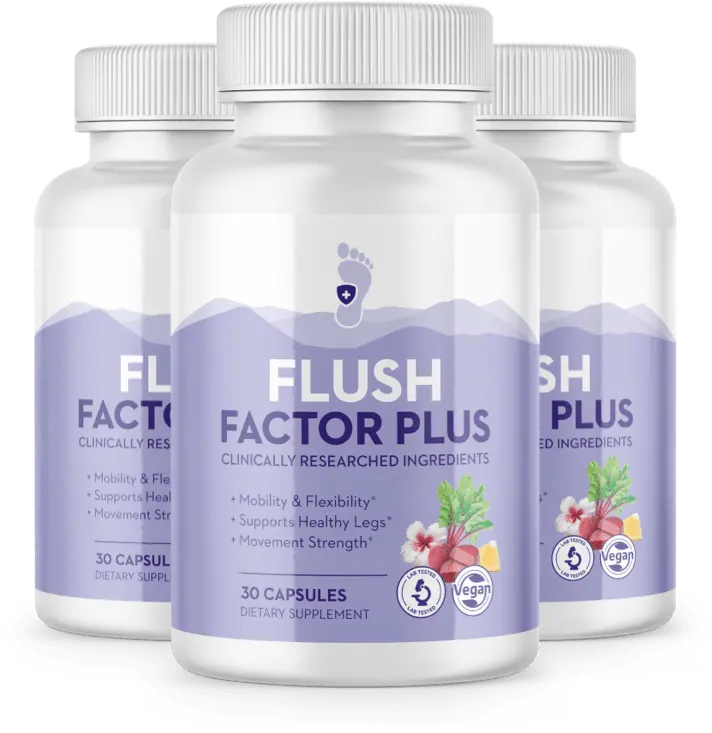
Three Flush Factor Plus capsule bottles

Read L-Citrulline DL-Malate as a Specific Preparation

L-citrulline DL-malate combines an amino-acid-related ingredient with malate. It appears in discussions of exercise and circulation research, but the displayed proprietary blend does not itemize its individual amount. The name alone therefore cannot establish an equivalent dose to a different citrulline product.

Look for a match between the preparation studied, the amount used, and the outcome measured before drawing a comparison. An exercise outcome is not the same question as an effect on leg swelling. Keeping those questions separate prevents a general scientific explanation from becoming an unsupported promise about the finished Flush Factor Plus capsule.

Distinguish Beet Root and Hibiscus Extracts

The blend names beet root extract, Beta vulgaris, and hibiscus flower extract, Hibiscus sabdariffa. These are specific materials rather than general instructions to consume beet juice or hibiscus tea. A food, beverage, and concentrated extract can differ in composition and serving.

Research on blood pressure or another cardiovascular measure does not automatically demonstrate treatment of edema. The individual quantities in this combined blend are not itemized, which limits dose comparisons. You can recognize the intended circulation and fluid-balance positioning while remaining clear about what has not been established for the finished product at its supplied serving.

Read the Other Ingredients Too

The displayed other-ingredients list includes cellulose for the vegetable capsule, brown rice flour, magnesium stearate, and silicon dioxide. These are part of the finished capsule even though they are separate from the featured blend. The main ingredient list alone is not the complete description of what you take.

If an allergy, dietary preference, or ingredient restriction matters, read the full current panel and seek clarification where needed. Do not infer a particular certification from a capsule material or assume that a natural-origin description means a product contains no supporting manufacturing ingredients. Specific written information is more useful than a broad label impression.

Compare Evidence Without Transferring Results

Ask whether a piece of research studied one ingredient, a combination, or the exact finished formula. Then check the preparation, serving, people studied, and measured outcome. These details determine how closely the research question relates to the product you are considering.

A testimonial can describe a personal experience, but it cannot separate a supplement effect from other changes. A manufacturing badge answers a different question from a clinical trial. Neither a technical ingredient name nor a total blend weight establishes a dependable result. Keep intended support and demonstrated findings separate when deciding how much confidence to place in a claim.

Turn Label Questions Into Useful Decisions

Keep a short note of what the panel tells you: one capsule per serving, six featured components, a shared 500 mg blend, and the listed other ingredients. Mark what it does not disclose, including separate ingredient amounts. Do not fill those gaps with guesses.

Before combining supplements or starting while taking medicine, show the complete label to the professional advising you. If a particular ingredient quantity is essential to the decision, ask for that information before use. This makes the conversation specific to the actual formula rather than a broad phrase such as circulation support or an unrelated product with a similar ingredient.

When comparing two products, record the amount of information disclosed as well as the numbers themselves. A named blend with a shared total is different from a formula that itemizes each ingredient. That does not automatically rank one product above another, but it changes what you can calculate. Keep a copy of the current panel if you need to revisit the comparison. If the packaging changes, read it again rather than carrying an older assumption into a new purchase.

Flush Factor Plus Frequently Asked Questions

No. The displayed panel gives 500 mg for the combined proprietary blend. Individual weights are not itemized.

Not necessarily. A fruit-powder listing does not disclose standardized bromelain activity or equivalence to an enzyme preparation.

No. A study of another ingredient preparation or amount is not a clinical test of the complete formula at its supplied serving.
Trusted U.S. Health References

Independent guidance for understanding supplement evidence and safety. These resources do not endorse Flush Factor Plus.

MedlinePlus: Foot, Leg, and Ankle Swelling

FDA: Questions and Answers on Dietary Supplements

Keep Your Wellness Decisions Informed

Make informed choices about your daily Flush Factor Plus routine.

Flush Factor Plus bottle with an illustrative lavender wellness background